Get FREE advice within the next 24 hours about PTSD treatment from an expert in New York/New Jersey.
EMAIL YOUR QUESTION about PTSD or call 212-726-2390 (only
NY, NJ, CT calls) to learn about medication-free
treatment for PTSD. Dr. Brodsky is a therapist in New York City who specializes in the treatment of PTSD, Panic, Social Anxiety,
Phobias, Agoraphobia, and OCD, and other anxiety disorders. His 3 offices are convenient to Manhattan and the Boros, Rockland,
Westchester, New Jersey, Long Island, and Connecticut. You can make an appointment now online rather than wait, or call the above number. TAKE THE PTSD SELF TEST:
1. Have you lived through a scary and dangerous event? You could be either the victim or simply witness it happen to someone
else. For example, being (or witnessing someone else being) hit, harmed (by a close person), sexually abused, or violence,
war, a plane or car crash, natural disaster (hurricane, fire), or an event where you thought you or someone would be killed.
2. Sometimes, all of a sudden, I feel like the event is happening over again. I never know when this will occur.
3. I have nightmares and bad memories of the terrifying event.
4. I stay away from places that remind
me of the event.
5. I jump and feel very upset when something happens without warning.
6. I have a
hard time trusting or feeling close to other people.
7. I get mad very easily.
8. I feel guilty because
others died and I lived.
9. I have trouble sleeping and my muscles are tense.
If you answered yes to
some of these problems, you may have Post-Traumatic Stress Disorder (PTSD). PTSD is a real illness faced by millions of people,
but there is very effective treatment. With the right therapy, you can be hopeful of overcoming PTSD, having peace of
mind, and living a normal happy life.
WHAT IS THE TREATMENT FOR PTSD?
The good news is that PTSD is very treatable, and you might not need medication indefinitely, if at all. Hundreds of studies
support that the most effective treatment for PTSD is a special type of behavior therapy, known as "Gradual Exposure
Therapy." Gradual exposure enables sufferers to very gradually overcome their fears and avoidant behavior at a pace THEY
choose and are comfortable with, so they are never overwhelmed. Results are achieved in a matter of months not years. Gradual
exposure is more effective than medication or any other kind of therapy. Medication provides only temporary or partial relief
and has side effects; symptoms just come back when you end the medication. Gradual exposure provides permanent relief, essentially
eliminating excessive anxiety and other symptoms forever and restoring a normal life in which clients are more relaxed and
less avoidant. Most of my clients benefit from exposure therapy with no medication at all. Many people's lives are transformed,
getting the jobs and relationships they deserve but never thought possible until completing treatment.
HOW
DO I FIND A THERAPIST TO TREAT PTSD?
I practice in Manhattan (34th St. & 5th Ave., near the Empire
State Bldg. and Macy's), as well as Rockland County, and New Jersey, and would be happy to arrange an appointment for you
or I can offer you a free phone consultation at 212-726-2390. If you live outside of the New York metropolitan area, you can
find a local therapist by contacting the Association for the Advancement Of Behavior Therapy (www.aabt.org) in Manhattan,
New York City. Ask them for a PTSD specialist in your area. If they don't have someone in your area, ask them if they know
of a similar organization in your region that could make a referral to you. Such organizations would have words such as "Anxiety,"
"Fear," "Cognitive Therapy," or "Behavior Therapy" in their titles. Once they give you the names,
you have to call and interview the therapists by phone. There are 2 TEST QUESTIONS YOU MUST ASK A THERAPIST: (1) Is
gradual exposure therapy the main technique they use? If they don't, forget about using them. They might say they "talk"
about it and help clients "see things more rationally," which is helpful, but that is no substitute for gradual
exposure. And (2) How many people have they SUCCESSFULLY treated FOR PTSD? They should have treated at least several people,
the people should no longer have severe anxiety and avoidance, and should not be taking medication any more by the end of
therapy. They should NOT say they just helped people "live with" PTSD better. If you can't find anyone in your area,
I do offer phone sessions for those outside of the New York-NJ Metropolitan area. It's not ideal, but it's a lot better than
going to someone who is not an expert on PTSD and gradual exposure. I can be reached at 212-726-2390.
BUT THE FIRST
STEP IS TO EMAIL YOUR QUESTIONS about medication-free PTSD treatment to Dr. Brodsky now or call 212-726-2390 (only NY, NJ, CT calls) and get a free, prompt
answer within 24 hours! Dr. Brodsky's 3 offices are convenient to the entire New York Metropolitan area, including midtown
Manhattan (on 34th St., close to every subway, bus, and train line), Long Island, Westchester, Rockland, and New Jersey.
You can make an appointment now online yourself rather than wait, or call the above number.
|
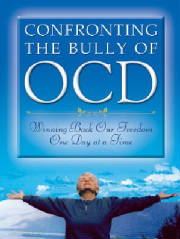
Buy this book about Dr. Brodsky's drug-free treatment written by
former client Linda Maran, and learn how it helped free her from anxiety. Email Dr. Brodsky sjbrodsky@aol.com or call 212-726-2390 (NY, NJ, CT calls only).
|